G. By Douglas Gabriel
“The leaves of the tree are for the healing of the nations.” (Revelation 22)
There is a tradition that the first Great Tree of Earth was hung with clusters of beautiful stars of constellations and that certain human beings climbing ever higher and higher could reach the uppermost branches of the celestial heavens. There were others who stayed below, and thus the trunk of the tree was divided in two, those human beings in the branches remained above in the heavens, while those below had their roots in the earth. The vault of heaven was upheld by the first tree, called the Never-Die Tree, which put forth two branches producing the four quarters of the sky. The first tree was always feminine, and the branches were her children, called the “Coming Ones.” This first tree was made the symbol of the Mother, as well as of Mother Earth and all that gave nourishment in the bringing forth of a child, or of fruit, which was a symbol of renewal, fertility, and eternal life.
Ancient peoples believed that the mounting of the World Tree was a means of reaching Paradise, their place of rest in the Stars. It is difficult for us to understand this teaching today, or to comprehend that they found their divine rest and peace in loving adoration of the Great Celestial Ocean of blossoming Stars and their contemplation of the World Tree, the Tree of Life, beyond which lay Immortality. Tracing the World Tree back to these early beginnings of knowledge, food and drink, we can begin to understand that the reverent primitive peoples looked upon the World Tree as the Mother Life.
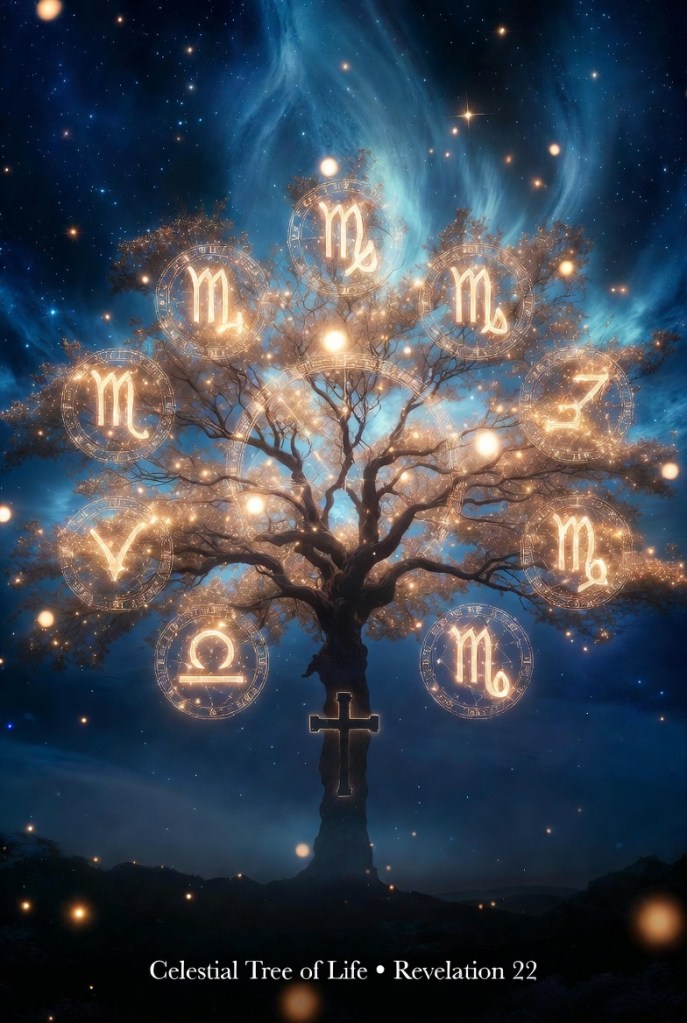
Ancient cultures considered that the World Tree in the beginning was single, feminine, the Mother, and the nourisher of life. Then came the Tree of Life with its twelve branches and variable fruits for every month, representing the twelve signs of the Zodiac. By means of the celestial World Tree, space was first penetrated, identified, divided, and configured. The twelve-branched tree of the Book of Revelation is the celestial tree of the Zodiac revered by the ancients, the Mother of Life.
Hebrew traditions tell us of two great trees in the Garden of Eden. The second chapter of Genesis describes a garden God created as Adam and Eve’s home. It was literally a paradise where they could live, work, and walk with God. In the middle of the garden were two trees: the Tree of Life and the Tree of the Knowledge of Good and Evil. The fruit of this second tree was forbidden to them. But they ate it anyway, with disastrous consequences. First, they realized they were naked and sought to hide from each other and from God. Then, they faced God’s judgment. And, finally, they were expelled from the garden.
After they were expelled, cherubim and a flaming sword were placed at the entrance to the garden to prevent them from returning and eating from the Tree of Life and living forever (Genesis 3:22). Paradise was lost, and birth and death became the common fate of humanity.
You may or may not take this story literally. But clearly, it describes the current state of humanity. Exiled from paradise with death the only constant. What hope do we have? This third chapter of Genesis was bad news for humanity. But when we read the end of the Bible, we find that what was lost will be restored. At least for those who have put their faith and hope in the Lord Jesus.
Genesis 2:8 And the Lord God planted a garden eastward in Eden; and there he put the man whom he had formed. 9 And out of the ground made the Lord God to grow every tree that is pleasant to the sight, and good for food; the tree of life also in the midst of the garden, and the tree of knowledge of good and evil. 10 And a river went out of Eden to water the garden; and from thence it was parted, and became into four heads. 16 And the Lord God commanded the man, saying, Of every tree of the garden thou mayest freely eat: 17 But of the tree of the knowledge of good and evil, thou shalt not eat of it: for in the day that thou eatest thereof thou shalt surely die.

Genesis 3:6 And when the woman saw that the tree was good for food, and that it was pleasant to the eyes, and a tree to be desired to make one wise, she took of the fruit thereof, and did eat, and gave also unto her husband with her; and he did eat. 7 And the eyes of them both were opened, and they knew that they were naked; and they sewed fig leaves together, and made themselves aprons. 22 And the Lord God said, Behold, the man is become as one of us, to know good and evil: and now, lest he put forth his hand, and take also of the tree of life, and eat, and live for ever: 23 Therefore the Lord God sent him forth from the garden of Eden, to till the ground from whence he was taken.
In Revelation 20, John saw a new heaven and earth replacing what we experience now. And coming down from heaven, he saw the New Jerusalem as a bride prepared for her husband. This city takes the place of the Garden of Eden in Genesis 2–3. It is where God’s people will live, work, and walk with God. Our exile from the garden will be over.
In Revelation 22:1–5 we find that the curse has been lifted, the river of the water of life flows from the throne of God, and the tree of life stands on either side of the river. Access to the tree of life is restored.
Scholars have often wondered about what the biblical Tree of Life in the Garden of Eden and New Jerusalem actually was, or for that matter, what type of tree did the fruit of the Tree of Knowledge of Good and Evil grow upon. A tremendous amount of speculation has occurred trying to understand these trees from every point of view and from many scientific disciplines. Some have linked the quest to find the “Two Trees of Eden” to the search for the perfect sugar that can feed humans like “manna from heaven” fed the Israelites in the desert.
Revelation: 22 – Then the angel showed me the river of the water of life, as clear as crystal, flowing from the throne of God and of the Lamb down the middle of the great street of the city, (New Jerusalem). On each side of the river stood the tree of life, bearing twelve crops of fruit, yielding its fruit every month. And the leaves of the tree are for the healing of the nations.
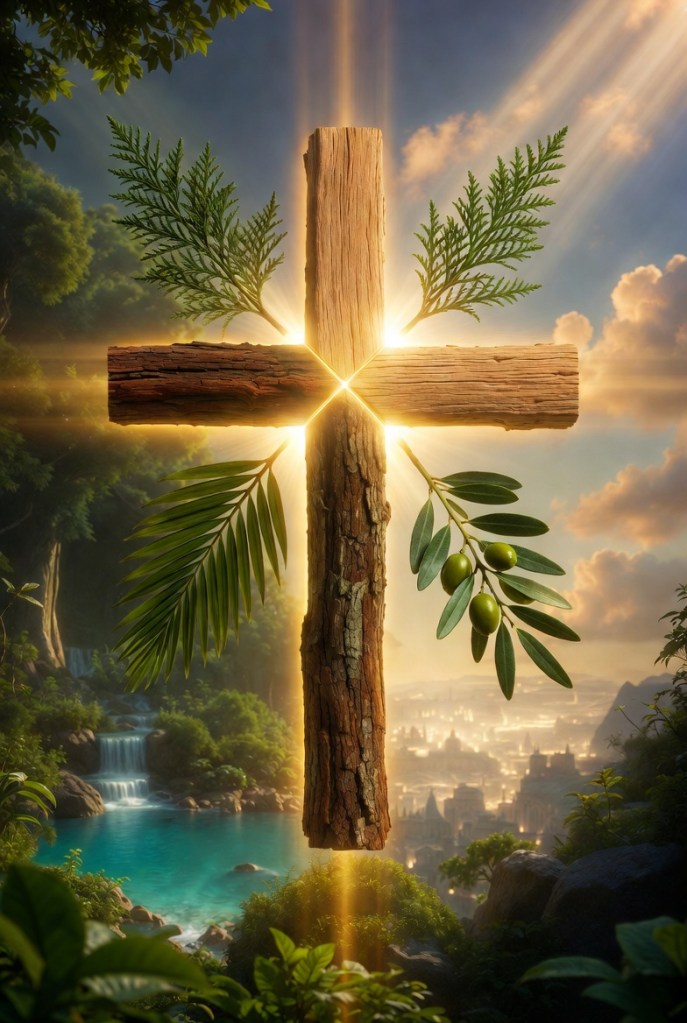
Religions and ancient traditions are also seeking and trying to understand why the wood of the cross of crucifixion helped Christ redeem humanity. Legends tell us that the Cross of Golgotha was made from four distinctly different types of wood that just so happen to also fit into the category of perfect sugars and trees that carry the secret of long-life.
Cedar, cypress, palm, and olive trees traditionally comprised the four sections that joined together to make the cross. The cross is sometimes referred to as the Tree of Life. Both olive trees and palm trees have also been called the Tree of Life in a variety of ancient cultures. Could it be that the power of the cross embodied not only spiritual redemption and eternal life but also may be indicating the sources of life-extension on Earth? Is this another reason why they called it the Tree of Life that brought immortality to faithful Christians?
In the traditional Old Testament stories, the Holy Cross of Golgotha was made from the seeds of the Tree of Life and the Tree of Knowledge of Good and Evil that had grown together and intertwined until they became one tree which created the fruit that bore the seeds that Seth carried out of the Garden of Eden after Adam sent him there to find help and succor for the suffering of the world. After Adam died, Seth put three of these seeds in Adam’s mouth. Later, the head of Adam was called the Tzohar Stone and was used as a magical object in Noah’s ark that provided warmth, light, and nourishment to every living thing on the ark.
When the ark settled on Mount Ararat after the flood, the head of Adam was taken down into the valley at the base of the mountain and buried. It grew into a wondrous tree that was eventually cut down and made into the two pillars of Solomon’s temple. In one account from the Zohar, the wood from these two pillars was used to make the Cross of Golgotha. Thus, the seeds from the united trees of Eden, the Tree of Knowledge and the Tree of Life, became the sacred wood of redemption and perhaps the key to long-life and good health.
It is not hard to see that palm trees and olive trees may be physical representations of the Tree of Knowledge of Good and Evil and the Tree of Life since ancient tradition claims such notoriety. But why the cypress tree may also be seen as a tree that seems to indicate long-life and immortality is because the redwoods and sequoia trees both derive from the cypress. Sequoias are 4,700 years old and no sequoia tree has died a natural death, and the bristle-cone pine can live beyond 10,000 years. Some olive trees live thousands of years and can grow back from a stump after being cut down. One such olive tree is estimated to be over 10,000 years old and still bears fruit.
Essentially, some of the trees referred to as a Tree of Life are the oldest living things on Earth and they seem to never die.
There are over 2,500 species of palm trees that provide essential foods like dates, coconuts, oils, acai, and other essentials like lumber, fiber for ropes, and fronds for thatch, and grow principally in the tropics providing whatever missing part of nutrition that is found nowhere else in that environment. Every part of the palm is deeply integrated into the survival and economy of the local communities they grow in.
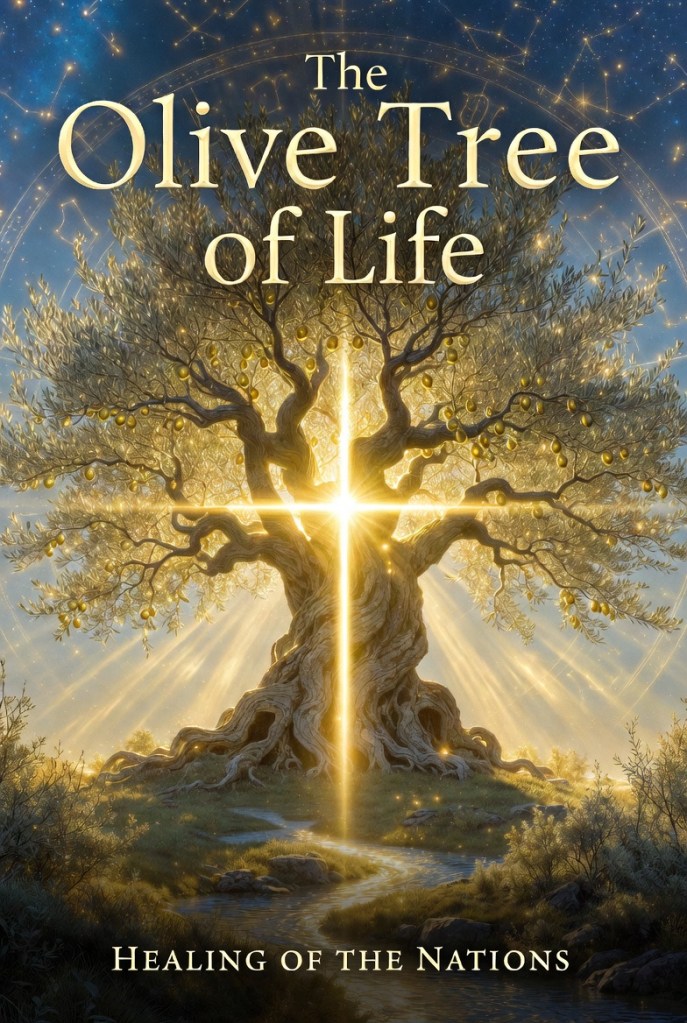
One could say that olive trees provide perfect fat for good nutrition, palm trees provide a perfect sugar and cypress and cedar trees provide examples of long-life. Thus, all four trees that some traditions say comprise the four types of wood for the Cross of Golgotha might be considered as one or the other tree that came from the Garden of Eden.
The olive tree and palm tree have been called the Tree of Life in numerous cultures because of their many wonderful characteristics. Olive tree sap, resin, and leaves have been used for medicinal purposes by many cultures since ancient times.
Olive oil is high in polyphenols like oleocanthal which has an anti-inflammatory effect upon the human body. Polyphenols in olive oil are powerful micronutrients that act as natural antioxidants and anti-inflammatory agents. They help trap disease-causing free radicals, protect cells from oxidative damage, and play a major role in preventing chronic diseases.
They also lower blood pressure, improve cholesterol levels and reduce the risk of heart disease and stroke. Compounds like oleocanthal have natural anti-inflammatory effects comparable to over-the-counter painkillers. They exhibit neuroprotective properties that help shield the brain from age-related cognitive decline and degenerative conditions such as Alzheimer’s and Parkinson’s diseases. They boost the activity of white blood cells and help balance the body’s immune responses, potentially easing seasonal allergy symptoms. For the highest concentration of these beneficial compounds, you should use Extra Virgin Olive Oil (EVOO), specifically early-harvest varieties with high polyphenol counts.
Extra Virgin Olive Oil is widely considered one of the healthiest fats for human consumption. It is a cornerstone of the Mediterranean diet and is prized for its unique nutritional profile. It is primarily composed of mono-unsaturated fats, specifically oleic acid, which helps increase “good” cholesterol and lower “bad” cholesterol. It is also rich in powerful antioxidants and anti-inflammatory compounds that protect cells from oxidative stress. Regular consumption is linked to a lower risk of heart disease, cognitive decline, and certain types of cancer. Like all fats, olive oil is calorie dense. Be sure to use Extra Virgin Olive Oil over refined olive oils because refined oils lack the beneficial micronutrients and antioxidants found in the natural “fruit juice” of the olive.
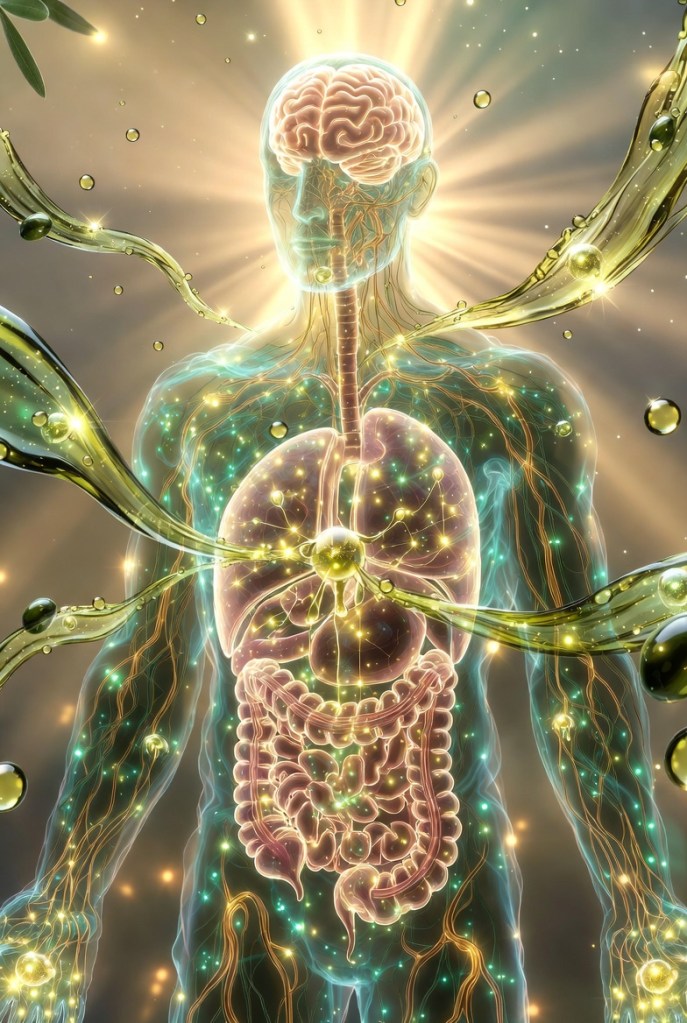
Olive oil interacts with the endocannabinoid system (ECS) through its fatty acids and polyphenols, which modulate ECS receptors, prevent the breakdown of endocannabinoids, and act as a carrier to boost the absorption of plant cannabinoids. Its key point of interaction includes being a Receptor Modulator. Phenolic compounds (like oleic acid and oleocanthal) can upregulate the expression of the CB1 receptor, which is often silenced in certain disease states. This restoration helps protect cells and reduces inflammation. It also prevents endocannabinoid breakdown in the human body.
See Dr. Gabriel’s article on Sonoma and the Tree of Life for details on the endocannabinoid system.
Olive oil naturally contains oleoylethanolamine, an endocannabinoid-like lipid. Compounds in olive oil have been shown to inhibit metabolic enzymes that normally break down our natural endocannabinoids. This allows your body’s natural endocannabinoids to stay active longer, promoting homeostasis. It also enhances cannabinoid delivery. Cannabinoids (like CBD and THC) are lipophilic, meaning they dissolve in and bind to fats. Because of this, consuming or infusing cannabinoids with the healthy fats in olive oil significantly increases their bioavailability, making them easier for your body to absorb and process.
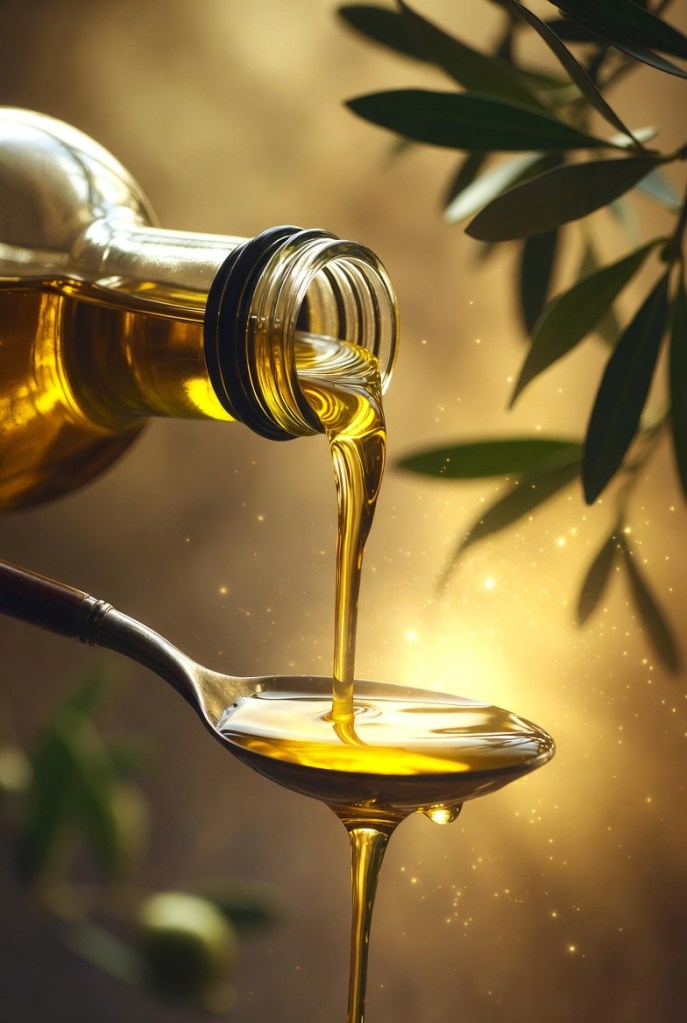
Extra virgin and virgin olive oils are both unrefined natural oils extracted solely by mechanical means without heat or chemicals. The key difference is quality: Extra Virgin Olive Oil is the highest grade with strict chemical standards (e.g., free fatty acid levels 0.8%) and flawless flavor.
Virgin olive oil is a lower grade with slightly higher acidity and minor flavor imperfections. Extra virgin olive oil boasts a complex, robust olive flavor with notes of fruitiness, bitterness, and a peppery taste. Virgin olive oil is milder, softer, and lacks the intense sharpness of extra virgin.
Extra virgin requires the olives to be pressed perfectly to avoid any flaws. Virgin olive oil allows for very minor defects and generally originates from slightly later or less pristine harvests. Extra Virgin Olive Oil is best reserved for cold or low-heat applications to preserve its delicate antioxidants and rich flavor.
It can be difficult to find in standard grocery stores, as it falls between extra virgin and refined “pure” olive oils. It serves well for everyday cooking, sauteing, and baking, though it won’t provide the same antioxidant benefits or robust flavor as extra virgin.
Olive oil had extensive healing use for the ancient Hebrews. It was used in anointing, purification, consecration, wound treatment, lamp fuel, and was associated with divine wisdom and sacred light.
The Talmud contains many medicinal uses for olive oil: headaches, digestive remedies, skin treatments memory, and cognition. One tradition says olive oil “restores memory” and enhances wisdom. They also infused aromatic oils into olive oil for aching muscles.
The Zohar strongly associates olive oil with wisdom, illumination, and elevated consciousness. One passage says the bitterness of the olive becomes transformative only after pressing — a metaphor for spiritual refinement and healing. This symbolism is deeply tied to mystical transformation through a three-step transformation:
crushing → extraction of hidden light
bitterness → wisdom
oil → soul/light/consciousness
Olive trees and olive oil were more common in western rather than southern Sumer and did not grow well in southern Mesopotamia itself. Olive oil was associated with northern Mesopotamia, Syria, Anatolia, and the entire Levant. Olive oil was well known as an important export. Mesopotamians more commonly used sesame oil and flax oil. Throughout the areas where it grew, olives and olive oil were prized for ritual anointing, perfumery, medicine, and cooking. Like later Mediterranean cultures, oil was associated with refinement, purification, healing, and sacred rituals. Medicinal oils were frequently infused with herbs and used for many purposes, like the Holy Chrism oil was used for anointing during sacred ceremonies and other religious functions. Olive oil had extensive healing use for the ancient Hebrews. It was used in anointing, purification, consecration, wound treatment, lamp fuel, and was associated with divine wisdom and sacred light.
In Judeo-Christian tradition, the olive tree is often associated with the Tree of Life. The symbolism indicates that the olive tree, like the Tree of Life, represents resilience, immortality, nourishment and light. Olive trees are long-lived and can survive for centuries and if the main trunk is chopped down, new life will spring directly from its roots. This constant regeneration makes it a powerful symbol of everlasting life and resurrection. In Jewish and Christian scripture, the olive tree symbolizes peace, hope, and divine blessing. Its oil was historically used for food, healing, and fueling the eternal flame in the Temple, connecting it directly to the life-sustaining grace of God.
In the New Testament (Romans 11), the apostle Paul uses a cultivated olive tree to represent God’s people and the faithful, whereas, being connected to the root of the tree symbolizes eternal life and the messianic promise. The olive tree represents the giving of God’s grace, spiritual light, and life after the Fall from Grace, rather than the moral test of good and evil. Perhaps the olive tree is not the original Edenic Tree of Life mentioned in Genesis, but it is considered a living, earthly shadow or symbol of it.
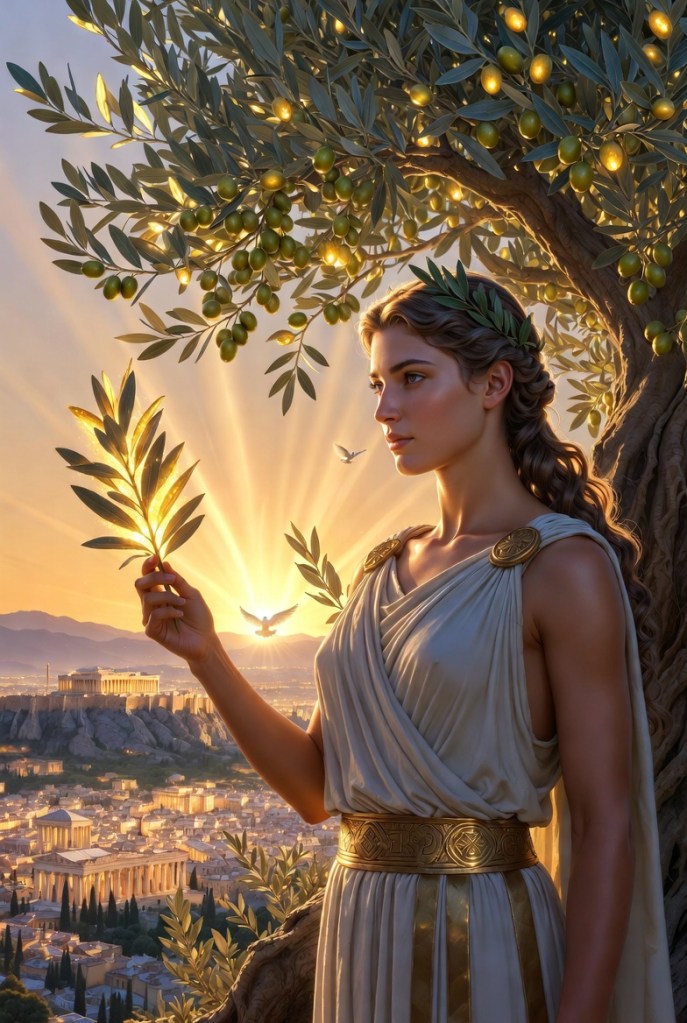
In Greek mythology, the olive tree was associated with Athena, the goddess of wisdom. According to a legend, Athena offered the tree as a gift to the city of Athens, which brought prosperity and peace. Even today, many flags feature an olive branch to represent peace. In addition, the Greeks used olive branches to crown their heroes and winners in the ancient Olympic Games.
It is also seen as a symbol of a strong bond between friends, wealth, and healing during times of need. People in general associate the olive tree with cleansing, purity, and renewal and symbolize positive energy, light, and warmth.
In ancient times, oil lamps had a symbolic meaning in different religions. Eternal life, wisdom, and enlightenment are among the popular spiritual meanings of olive oil-fueled lamps and lanterns. The tree’s long life and resilience further place it as a powerful symbol of endurance and harmony in some cultures.
Olive trees represent peace, reconciliation, and longevity in ancient Greek mythology; rebirth, divinity, and eternal life in the Bible; wisdom, friendship, and a strong connection between people and the land in literature. They also signify divine light in various religious texts and Christian scriptures. Spiritually, the olive tree means peace, hope, and new beginnings in one’s life. This is because it can survive in difficult conditions, teaching us to stay strong during tough times and live in harmony with Nature and people. Its silvery green leaves reflect eternal life, and its fruit represents blessings and plenty. The olive tree also stands for forgiveness, empathy, and understanding.
In the Bible, olive trees are mentioned as a symbol of peace and friendship and represents eternal life and endurance. It is often called the “Tree of Life”, due to the biblical story of Noah, which describes how, after the flood, a dove returned to the ark with an olive branch in its beak, signaling that life was starting again on Earth. Over time, Mediterranean culture also adopted it as a sign of reunion. Moreover, the olive branch remains a global peace symbol, found on various flags (Cyprus, Eritrea, and the United Nations) and emblems worldwide.
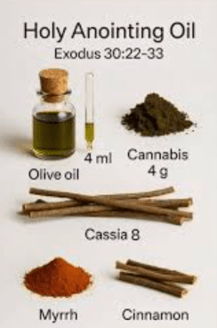
Like the cypress and cedar trees, an olive tree represents strength and endurance. This small, shrub-like tree features a sturdy trunk, resilient branches, and deep roots that help it tolerate changes in weather conditions, as well as resist pests and diseases.
Olive trees hold a special significance in Christianity. Their slow growth means that faith in God is a lifelong journey of devotion and commitment. The olive tree’s biblical meaning is one of blessing, peace, and purity. The plant represents the beautiful relationship between God and the people. As mentioned numerous times in the scriptures, the olive tree also represents the gift of the Holy Spirit.
Olive oil has been used as an anointing oil in religious ceremonies, representing purity, divinity, blessings, and well-being. Hence, the olive tree is often considered a symbol of Christianity.
The Tree of Life as a Perfect Food
In terms of the Tree of Life and the search for the perfect sugar as food, we have found that there is no single “perfect” sugar; but nature provides whole-food sugars that are highly beneficial because they arrive packaged with fiber, antioxidants, and essential nutrients. These accompanying elements slow down digestion and prevent the rapid insulin spikes associated with refined, processed sugars. Let’s look at some of the better sugars that have been part of the Fertile Crescent Diet and the Seven Species Diet of the ancient Hebrews for thousands of years.
Dates are rich in potassium, Vitamin B6, and fiber. Because date sugar and date paste are made from the whole fruit, the intact fiber regulates how quickly your bloodstream absorbs the natural sugars.
Figs contain a significant amount of dietary fiber and essential minerals like calcium and magnesium. Their natural sugar is paired with enzymes that aid in digestion. Grapes and raisins are packed with polyphenols and resveratrol. These antioxidants are highly beneficial for heart and cognitive health. Coconut sugar is made from the sap of the coconut palm. This minimally processed sugar retains trace amounts of iron, zinc, and calcium and features a lower glycemic index compared to standard table sugar.
Sweeteners made with whole fruits are superior because even though natural sweeteners like raw honey and pure maple syrup contain trace antioxidants, they lack fiber and metabolize very similarly to table sugar. Conversely, consuming sugar via whole fruits ensures you get the full nutritional payload. The natural balance of fiber, water, and phytochemicals “protects” your body from the negative inflammatory effects of isolated sugars. The bottom line states that even natural sugars contribute to daily caloric and carbohydrate intake and though they may be very healthy and medicinal, they are still not complete in themselves and thus the trees that produce them do not create a perfect food that extends life and brings perfect health, whether olive, palm, or fig tree.
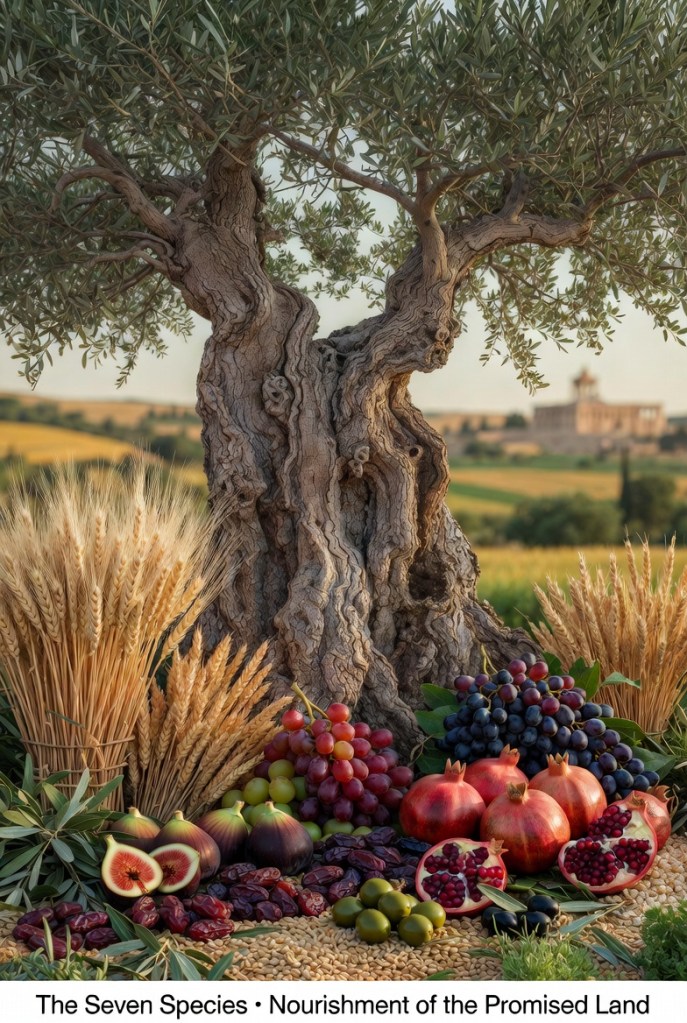
Therefore, the Seven Species (barley, wheat, olives, figs, dates, grapes, and pomegranates) give us seven different ways to get healthy sugars which are the highest form of nutrition.
Olive Oil and Healing
Rudolf Steiner and anthroposophic physicians viewed nutrition very differently from modern biochemistry. In anthroposophic medicine, foods are not judged only by calories, vitamins, or fatty acid profiles, but also by their perceived effects on the “life forces,” — warmth, consciousness, and the relationship between body, soul, and spirit. Steiner considered fats like olive oil especially important because he believed it was closely connected with the human “warmth organism” and the activity of the “I Am” ego consciousness in the body. In his medical lectures collected in Fundamentals of Therapy, he described fat as a substance that the human organism can readily assimilate and transform into warmth. Steiner’s basic ideas about fat consumption included:
Fat supports warmth, vitality, and grounding in the body.
Fat was seen as less “foreign” to the human organism than many other food substances.
Natural fats were generally preferred over highly processed foods.
The anthroposophic nutritional traditions that developed after Steiner often emphasize the use of biodynamic or organic foods, minimally processed fats, and the use of butter, cream, fermented dairy, nuts, seeds, and plant oils in moderation. Anthroposophic medicine later developed therapeutic treatments with oils from flowering plants — especially olive oil. One Anthroposophic therapy called the “oil dispersion bath,” explicitly refers to olive oil and the oil-forming process as carriers of warmth and life activity. Anthroposophic practitioners commonly attribute the following qualities to olive oil:
Warming and harmonizing,
Supportive of the rhythmic processes of circulation and balance,
Nourishing without overstimulating,
Supportive of digestion and embodiment,
Calming to the nervous system, and
Beneficial for dry or depleted constitutions.
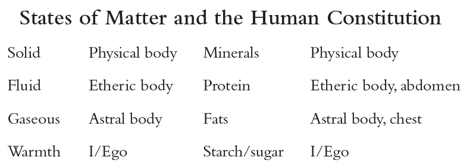
From the perspective of modern nutritional science, Extra Virgin Olive Oil does have well-supported physiological benefits. Olive oil is rich in mono-unsaturated fats (especially oleic acid) and polyphenols, and evidence supports benefits such as:
Improved cardiovascular health,
Lower LDL cholesterol oxidation,
Anti-inflammatory effects,
Support for metabolic health, and
Antioxidant protection.
Anthroposophic medicine indicates that olive oil supports warmth, harmony, and vitality. Modern medicine says olive oil supports cardiovascular and metabolic function through anti-inflammatory and lipid effects. The explanations differ radically, but both traditions tend to regard high-quality olive oil as a healing substance.
Rudolf Steiner discussed the cerebellum and the “Tree of Life” primarily in his esoteric lectures, most notably in Lecture XII of The Foundations of Esotericism (October 1905) and Lesson 33 of Esoteric Lessons III (July 1914). In The Foundations of Esotericism (Oct 7, 1905): Steiner linked the cerebellum to Eastern esoteric traditions, stating, “Under the large brain there lies, more towards the back of the head, the small, tree shaped brain (the cerebellum)… The cerebellum is the Bodhi tree. This shows how what is said in such profound legends is actually taken from human evolution.”
In Esoteric Lessons III (July 14, 1914): Steiner referred to the human cerebellum as a remnant of the “Old Moon” stage of evolution, acting as a spiritual judge that records the effects of human thought. These concepts trace back to the anatomical nickname arbor vitae (Latin for “Tree of Life”), which describes the branching, tree-like structure of the white matter inside the cerebellum. “Under the large brain there lies, more towards the back of the head, the small, tree shaped brain (the cerebellum). Under this brain Buddha placed himself. The cerebellum is the Bodhi tree. This shows how what is said in such profound legends is actually taken from human evolution.”
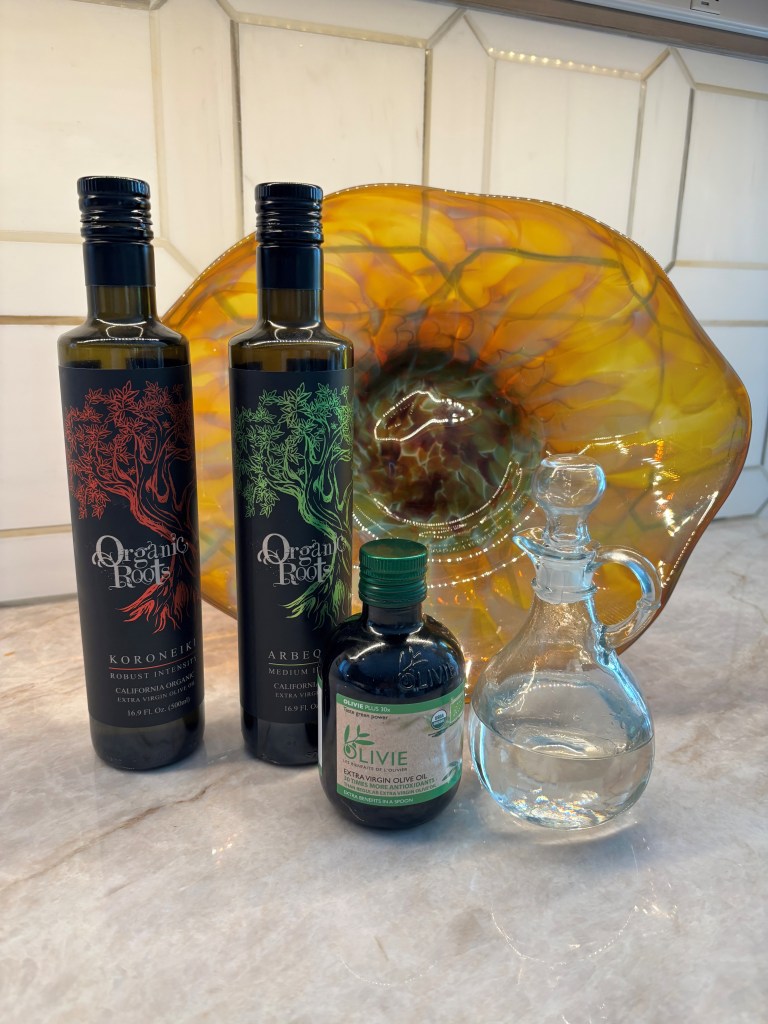
Below are the EVOOs we take on a daily basis in the Gabriel home. The red bottle of Organic Roots has a nice peppery taste in the throat; the green bottle is a milder version of EVOO. The Moroccan oil – Olivie – has a super high count of polyphenols. The clear fluid is MCT oil which, when added to EVOO, gives it an intensity “boost”.
The Seven Species
The “Seven Species” which were emphasized in ancient Israelite tradition — wheat, barley, grapes, figs, pomegranates, olives, and dates — actually reflect a much older Fertile Crescent agricultural complex that already existed in Mesopotamia and Sumer. The relationship between grains, fruits and oils was synergistic: grains provided foundational sustenance, whereas fruits and oils provided nourishment, medicine, sweetness, vitality, and ritual needs. This pattern later appears across the Near East and the Levant. Together, these foods formed the nutritional and symbolic core of the ancient Fertile Crescent. Their combination later echoes strongly in the Hebrew Bible traditions, Persian medicine, Greek medicine, Mediterranean diets, Islamic medicine, and eventually medieval European humoral medicine.
The ancient Sumerians and broader Mesopotamian civilizations saw wheat and barley as the foundation of civilization itself, while dates, figs, grapes, pomegranates, and oils were regarded as life-giving, medicinal, sacred, and often royal foods. The relationship between these foods was not merely culinary — it was agricultural, medicinal, economic, and cosmological. For the Sumerians, barley especially was the core grain and the foundation of civilization.
Sumerian society organized labor, taxation, and temple economies around grain storage. Bread and beer made from barley were considered basic necessities of life. Barley was considered a staple food, a source of beer, currency, temple offerings, and survival crop. Wheat existed too, but barley dominated because it tolerated Mesopotamian soil salinity better. Barley was associated with fertility, divine order, abundance, and stable kingship. Beer itself was sacred and linked with the goddess. Some of the oldest known recipes are Sumerian barley beer recipes flavored with dates and fig honey.
In the Fertile Crescent, food and medicine were not separate categories. Healing systems included oils, poultices, beer, wine, incense, prayers, and incantations. Foods were classified by moisture, sweetness, bitterness, heaviness, fermentation, and oiliness. All of these classifications had therapeutic meaning. So, when wheat and barley were paired with fruits and oils, they formed a balanced energetic system of acidic and alkaline foods. The ancient Mesopotamian worldview treated the Seven Species diet from the Fertile Crescent cosmologically:
Food Symbolic Role Practical Role
Barley civilization/order bread, beer, currency
Wheat refinement/elite grain, bread
Dates fertility/life sugar, nutrition
Figs restoration digestion, preserved food
Grapes vitality/ecstasy wine, medicine
Pomegranate fertility/salvation medicinal, fruit
Olive oils purification/healing medicine, ritual
The Hebrew Seven Species are seven agricultural products—two grains and five fruits—listed in the Hebrew Bible (Deuteronomy 8:8) as the special, staple bounties of the Land of Israel. There are many references in ancient Hebrew and Jewish sources to healing substances involving figs, olive oil, dates, wheat, and barley.
Ancient Near Eastern medicine widely used figs for inflammation and wounds. Rabbinic literature frequently discusses figs as healthful and restorative. The Talmud associates figs with digestion, vitality, and nourishment. In several places, figs are treated as strengthening foods and part of therapeutic diets. The Jerusalem Talmud also mentions grape leaves and plant poultices used for healing wounds. The Zohar treats figs symbolically as connected to spiritual repair and the Kabbalistic Tree of Life. It also links Adam and Eve’s fig leaves to mortality and healing after the expulsion from paradise. In Kabbalistic symbolism, figs are equivalent to ripening consciousness, healing through proper timing, and restoration after exile or fallenness. Figs represented spiritual healing symbolically and medicinally.
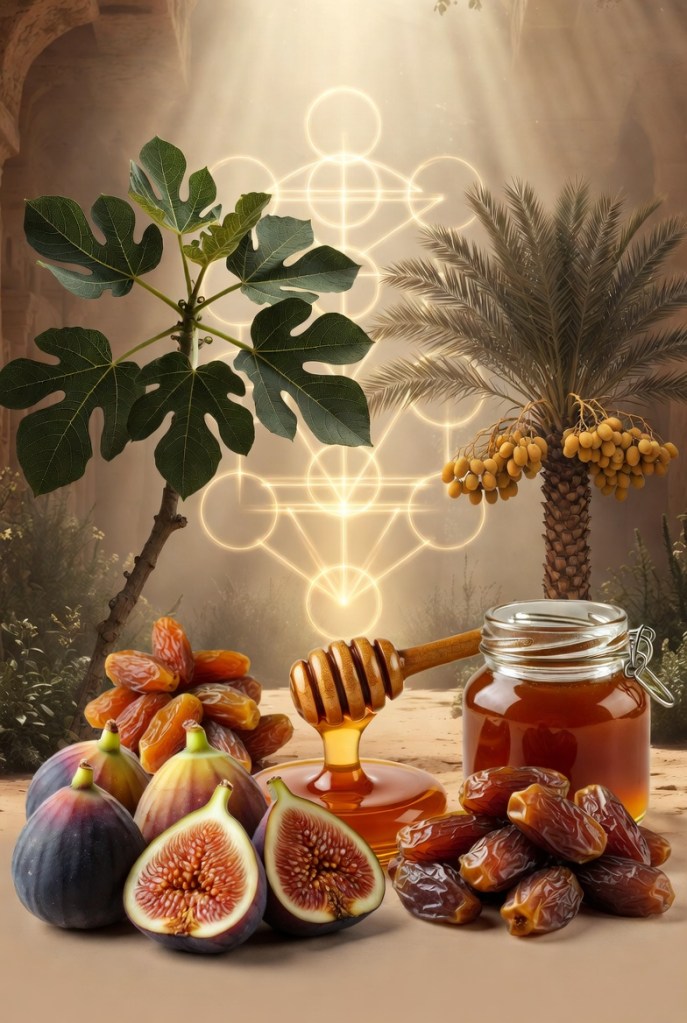
Dates were used by the Hebrews generally for nourishment, preservation, and vitality. In the Hebrew Bible, dates are a symbol of abundance, fertility, sweetness, and endurance. Date honey was used as a staple. In the Talmud, dates were frequently discussed as: strengthening, a laxative or digestive restorative, and enhanced warmth in the body. Dates were considered potent nourishing foods. The Zohar connects dates with manifestation in reality, preservation, and spiritual ascent. Because dates preserve well and can become honey, they are symbolic of transforming earthly matter into spiritual sweetness.
In the Fertile Crescent, meat was a foundational dietary pillar and the primary driver of early animal domestication. However, in the religious and agricultural framework of the Seven Species, meat played no part; the list consisted exclusively of grains and fruits. Meat became a cornerstone of the region’s diet, transitioning from hunted wild game to the farming of domesticated livestock. The Fertile Crescent is historically significant as the birthplace of animal husbandry. Sheep, goats, pigs, and cattle were domesticated here between 11,000 and 9,000 B.C. While early peoples ate a mixture of wild game and domesticated livestock, daily meals for the common classes were heavily plant-based. Meat was an expensive luxury primarily reserved for feasts, religious rituals, and the wealthy. Meat was not the sole focus of animal domestication. Herders valued livestock equally for dairy, leather, wool, and manure to fertilize crops.
The Seven Species of the Hebrews were selected because they represented the foundational, easily storable staples of ancient Israelite agriculture and economy. Because early peoples relied so heavily on cultivated plants for their fundamental caloric intake, these plant foods held the highest cultural and religious significance. The culture that revered the “Seven Species” also established strict dietary laws that separated meat and dairy, and dictated precisely which meats were “clean” and acceptable to eat.
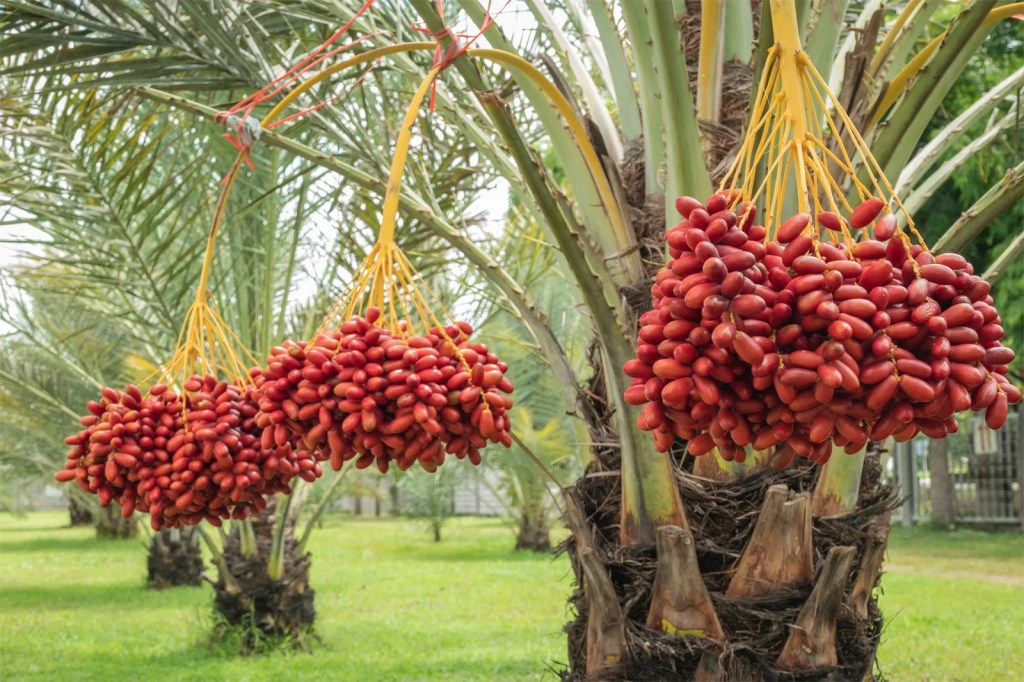
Dates were considered a “tree of life” food. Among all fruits, dates may have been the most important in southern Mesopotamia. Date palms provided: sugar, syrup, wine, fiber, wood, animal feed, and medicine. The Sumerians cultivated extensive date palm groves and date syrup functioned almost like universal sweetener and preserved energy food. Medicinally, dates were associated with strength, digestion, fertility, and recovery from illness.
Ancient Mesopotamian medical tablets often classified foods by heating, moistening, strengthening, or restorative properties. Dates were generally viewed as strengthening and restorative. There was also a symbolic dimension: the date palm represented fertility and immortality. These sacred trees appear constantly in Mesopotamian iconography. The date palm’s combination with grain agriculture was essential: barley gave stable calories, and dates gave concentrated sugars and nutrients; this combination supported urban civilization itself.
Figs were common in Mesopotamia and the broader Fertile Crescent and were used for nourishment and medicine. Figs were eaten fresh, dried for storage, made into cakes, and used medicinally. Ancient Near Eastern medicine associated figs with digestive health, bowel regulation, wound treatment, and restoring strength. Later Hebrew and Mediterranean traditions preserved this medical role. Because figs dry naturally while retaining sugars and minerals, they became ideal travel food, military food, and winter nutrition.
Grape vines can live for over 100 years with proper care, though their commercial lifespan is typically much shorter. The oldest verified living cultivated grapevine in the world is more than 450 years old. When protected from disease, frost, and human intervention, grapevines achieve incredible ages. True bee honey cannot be made from grapes, but grapevines are strictly deciduous, possess exceptionally high levels of polyphenols, and have an extensive history of being worshipped as symbols of fertility and the tree of life. “Grape Honey” exists as a culinary term. It refers to an ancient, dense, honey-like syrup made by boiling down crushed grape juice until the natural sugars concentrate into a thick, amber spread.
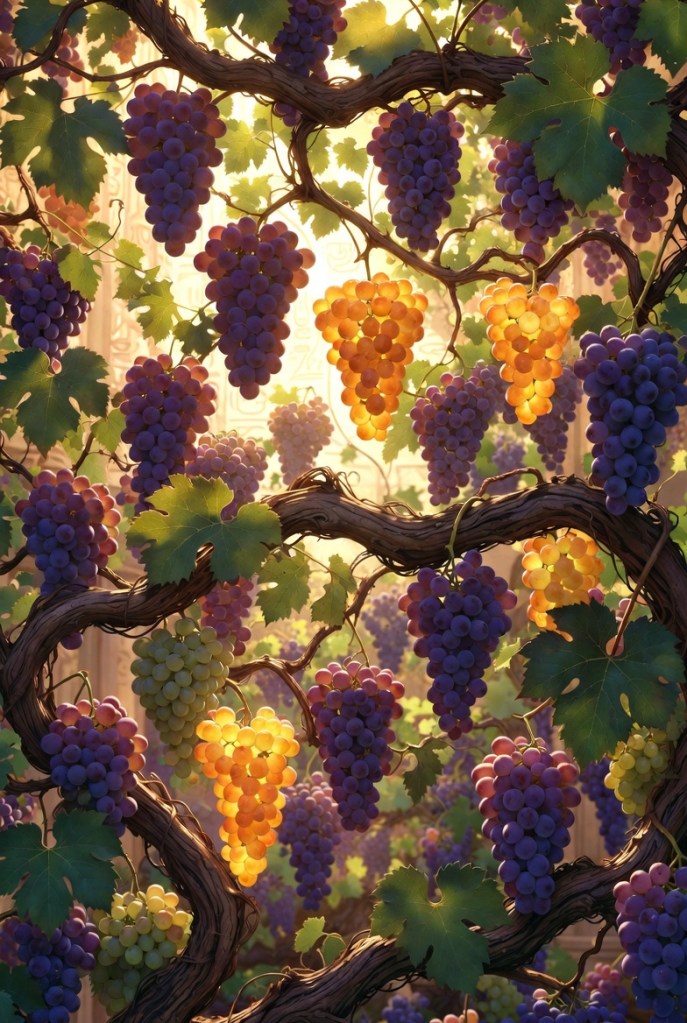
Grapevines are among the most polyphenol-rich plants in the world. They are highly concentrated with powerful antioxidants like resveratrol, tannins, and flavonoids. Because of their aggressive growth and abundant clusters of fruit, grapevines were deeply revered, sacred symbols of fertility. In ancient Egyptian tombs (such as the Tomb of Sennefer), ceilings were painted with sprawling grapevines to symbolize the “Tree of Life” and the spiritual rebirth or resurrection of the dead. This imagery transitioned directly into Judeo-Christian iconography, where the grapevine is used throughout scripture to symbolize divine prosperity, life, and ultimate spiritual fruitfulness.
Grapes were eaten fresh and made into wine for vitality, luxury, and ritual purposes. Grapes were cultivated throughout Mesopotamia, though southern Sumer was less ideal for vineyards than northern regions. Wine was not only a food but also considered elite, ceremonial, medicinal, and royal.
Beer was the common people’s drink; wine was associated more with aristocracy and temples. Medicinal uses of wine in Mesopotamian medicine included antiseptic washing, herbal extraction medium, digestive aid, and as a sedative. Grapes and raisins were also preserved for concentrated nutrition. Wine frequently appears in ritual meals and offerings to gods.
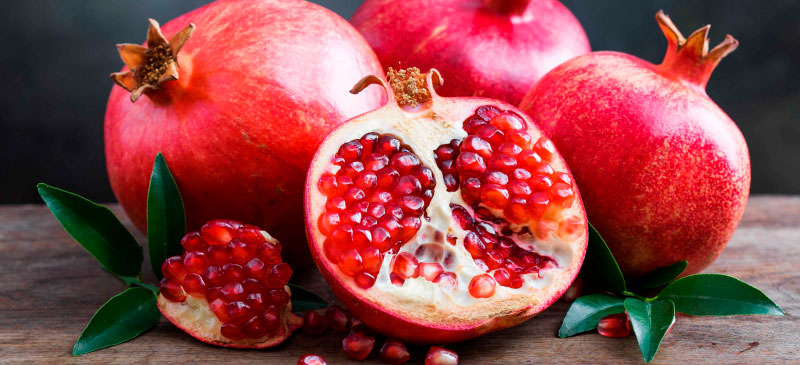
Pomegranates were considered beneficial for fertility, blood health, and general healing. Pomegranates appear somewhat later and more prominently in Akkadian, Assyrian, Levantine, and Persian contexts, but they were known in Mesopotamia. The fruit symbolized fertility, abundance, female generative power, and royal vitality. Medicinally, pomegranate rind and juice were used traditionally for parasites, digestive illness, inflammation, and infections. It was valued for the fruit’s astringent properties, and its blood-red color gave it symbolic associations with the life force, regeneration, sacrifice, and sacred vitality.
Figs and fig trees are sometimes seen as the Tree of Knowledge of Good and Evil in the Garden of Eden representing the transition from innocence to the awareness of duality and moral choice. That is why Adam and Eve had to wear a fig leaf to hide their nakedness. In Genesis 3:7 we can read: “And the eyes of them both were opened, and they knew that they were naked; and they sewed fig leaves together and made themselves aprons.”
Ancient Hebrews used figs primarily as a dietary staple, a natural remedy for ailments, and an important symbol of peace and prosperity. Because fresh figs spoil quickly, they were frequently dried and pressed into dense cakes—known as develah—which provided concentrated energy for long journeys and storage. The cultivation and application of figs were deeply woven into daily life and culture in ancient Israel. Figs were a primary source of carbohydrates, sugars, and fiber. Medicinal fig pastes and poultices were commonly applied to wounds, boils, and swellings as a traditional medical treatment, famously cited in the Hebrew Bible as a remedy used to cure King Hezekiah’s affliction.

The fig tree also had practical utility. The broad, large leaves of the fig tree were utilized for shade, and historical records indicate that, on occasion, large leaves were stitched together to make simple aprons, baskets, or dishes. The ancient Hebrews made sweet, syrupy honey from figs which they called d’vash, the Hebrew word for honey, which was a thick, sweet molasses extracted from fruits like figs, dates, and grapes.
Because bee honey was scarce and bee domestication was limited in the ancient Near East, much of the honey referenced in ancient times—including the famous biblical description of Israel as a “land flowing with milk and honey”—referred to fruit syrups of fig and date. Rabbinic commentators specifically identified the “honey out of the rock” mentioned in Deuteronomy 32:13 as fig honey, noting that fig trees thrive in the rocky terrain of the region.
The Hebrews processed sweet fig and date syrups by harvesting, drying, and boiling down figs and dates to reduce their rich, natural sugars into a thick, highly concentrated paste like molasses, which was similar to modern date syrup or silan. Fig and date syrups were also used to sweeten baked goods, preserve foods, and flavor meat.
Are the Seven Species Alkaline or Acidic?
Figs, dates, grapes, pomegranates, and olive oil are all considered alkaline forming (or alkalizing) in the body. Even though fruits like grapes and pomegranates have a naturally acidic pH before they are eaten, they leave behind an alkaline residue after they are metabolized by the human body. While naturally acidic (with a pH around 3 to 4, grapes have a highly negative Potential Renal Acid Load (PRAL), meaning they produce a significant alkalizing effect after digestion. Pomegranates are among the most alkalizing fruits available, with an impressive PRAL score that reduces acid levels in the body. Both of these dried fruits are rich in alkaline minerals, like potassium, calcium, and magnesium, which balance pH levels and help alkalize the body. Unprocessed and healthy plant fats like olive oil are strictly alkaline forming. They do not leave acidic byproducts and are a staple of alkalizing diets like the Mediterranean diet.
Wheat and barley are generally considered acid-forming in the body. While nearly all grains produce an acidic ash when digested, some advocates of the alkaline diet note that whole meal barley and certain wheat grasses can have a slightly alkalizing effect depending on how they are processed and consumed. The acid or alkaline classification of a food is based on the “ash” or residue left behind after it is metabolized by the body. The nutrients commonly found in grains are generally acid-forming foods that are rich in proteins, phosphates, and sulfur. When digested, these components produce acids that your body must filter out. But alkaline-forming foods, which are high in minerals like calcium, magnesium, and potassium, leave an alkaline residue. These are predominantly found in fresh fruits and vegetables. Most forms of wheat, including wheat bran, wheat germ, and wheat flour, are strongly acid-forming. However, wheat grass is considered alkalizing. Regular barley grains are acid-forming. On the other hand, whole meal barley and barley grass are alkalinizing foods.
The True Tree of Life
Rudolf Steiner told us in his lecture entitled, Goethe and the Present, given on December 31, 1907, in Berlin (GA 68C): “This may suggest that Goethe was a Rosicrucian initiate. The cross represents the three lower bodies of man, the physical, the etheric and the astral body. In his life, man should overcome those qualities of these three bodies that have come to him from outside. They should be transformed within him through his ego. By the fact that his own ego can say to itself “I Am”, he transforms these three bodies. For he who does not have this dying and becoming remains only a dull guest on the dark Earth.
The lower bodies are represented in the black cross. Man transforms these lower powers and qualities, not as a form of self-mortification, but as instruments of his own ego, purified, cleansed, transformed into powers of his ego. He kills what was originally in him and lets it rise again as a young, fresh power – his higher ego, which is the ruler over the lower powers. The mortified bodies – the black cross – in the mortified original Tree of Life are three representatives and a fourth, sprouting life.
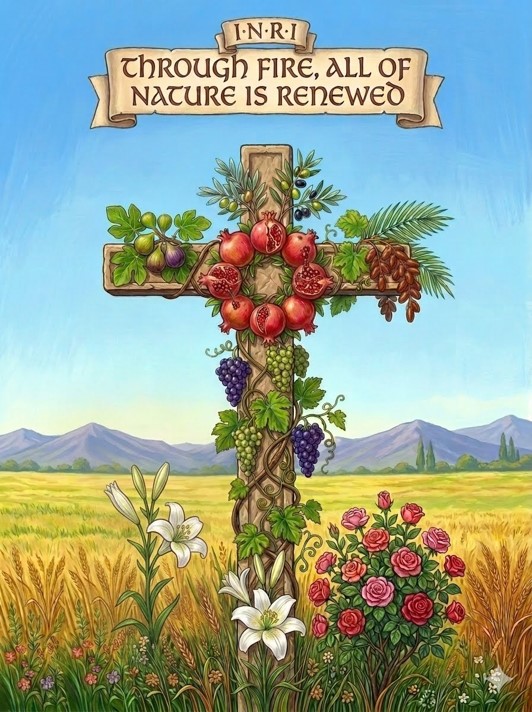
The four beams of the cross are made of the wood of the cypress, the cedar, the palm and the olive tree, and they touch at one point. Cypress is the physical body, the palm is the etheric body, and the cedar is the astral body, which has been overcome; the olive tree, which permeates the three lower bodies as with ointment, as with oil, is that which rejuvenates and gives birth again and is the ego or “I Am.”
The specific combination of cypress, cedar, palm, and olive comes from a tradition that developed in the Middle Ages. One version of the legend says: the upright beam was made of cypress, the crosspiece of palm, another part of cedar, and the inscription (INRI) was written on olive wood.
Another Medieval Latin verse summarized it as: “The foot of the Cross is Cedar, the Palm holds back the hands, the tall Cypress holds the body, the Olive in joy is inscribed.”
This legend belongs to a broader family of stories known as the “Wood of the Cross” or “Holy Rood Tree” legends, which attempted to trace the origin of Christ’s cross back to sacred trees associated with Adam and Eve in the Garden of Eden. These stories were circulated widely in Medieval Europe in Latin and vernacular texts. Jacobus de Voragine writes in The Golden Legend: “With this tree, whereof the cross was made, there was a tree that went overthwart, on which the arms of our Lord were nailed, and another piece above, which was the table wherein the title was written, and another piece wherein the socket or mortice was made, wherein the body of the cross stood in, so that there were four manner of trees, that is of palm, of cypress, of cedar, and of olive. So. each of these four pieces was of one of these trees.”
Olive wood and the olive tree itself held deep spiritual and symbolic significance for the ancient Hebrews. While many items in the wilderness Tabernacle were made of acacia wood, olive wood was exclusively reserved for the most sacred and restricted areas of Solomon’s Temple. The specific sacred uses and symbolism include: Solomon crafted the two massive cherubim (angels) that guarded the Ark of the Covenant out of olive wood, which was then overlaid with pure gold; the doors and doorposts leading into the inner sanctuary (the Most Holy Place) were also carved from olive wood and decorated with cherubim and flowers; olive oil was the only fuel permitted for the golden menorah in the Tabernacle and Temple tying the wood and its fruit directly to the eternal presence of God; and the Hebrew Bible frequently uses the olive tree as a metaphor for Israel itself, symbolizing fruitfulness, peace, and the covenant of faithfulness.
Olive trees originated in the Eastern Mediterranean, specifically in the region spanning modern-day Turkey and Syria. Archaeological evidence and genetic mapping show that humans first began domesticating wild olives in the Levant between 6,000 and 8,000 years ago. The history of the olive tree breaks down into a few key milestones. The wild origins of the olive tree stem from fossil evidence indicating that wild olive trees existed millions of years ago in the Oligocene period. They were common across Asia Minor and the wider Mediterranean Basin. The first cultivation of the olive tree was between 6,000 to 8,000 years ago. Domestication began on the frontier between present-day Turkey and Syria, with early agricultural communities selecting wild varieties that produced larger, juicier fruit. The cultivation of the olive tree expanded rapidly throughout the rest of the Mediterranean Basin (such as Crete, Greece, and Egypt) through ancient trade routes dominated by the Phoenicians and the Minoans.
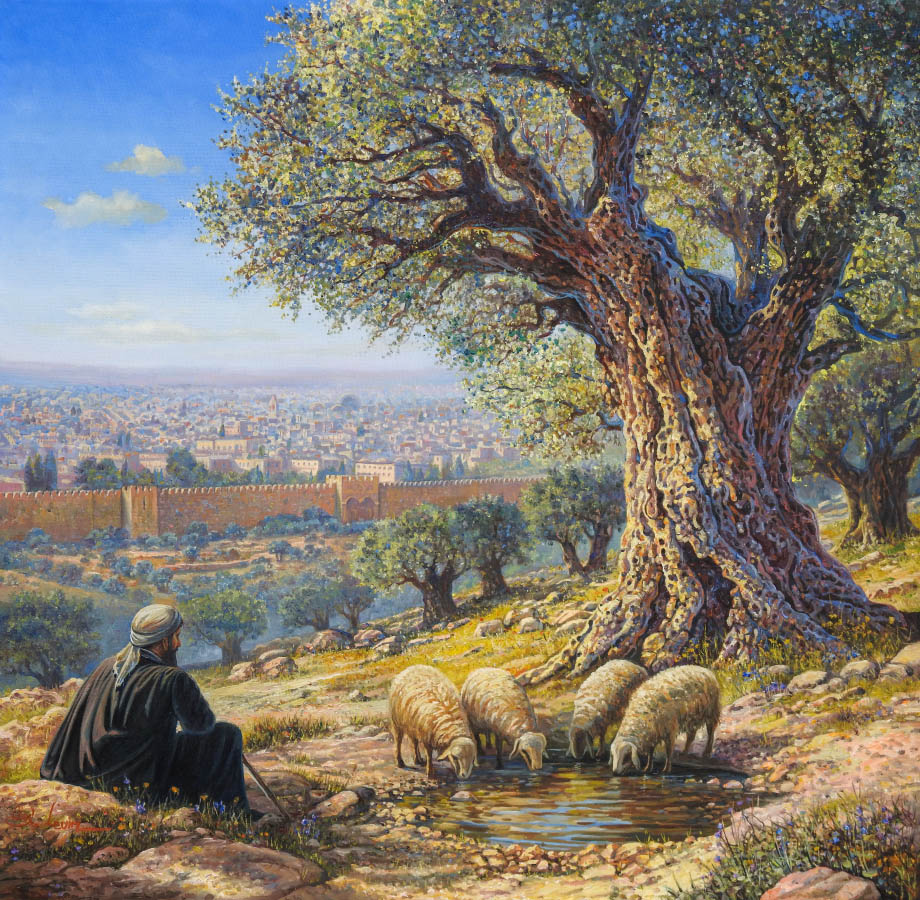
Rudolf Steiner points out another unusual fact about olive trees that has yet to be thoroughly understood in the lecture cycle entitled, Christ and the Spiritual World – The Search for the Holy Grail, Lecture II, December 29, 1913, in Leipzig, GA 149: “Geographically, too, the world is full of secrets. And the region of the Earth where the olive tree flourishes is different from the regions where flourish the oak or the ash. Man as a physically embodied being has a relationship with the elemental spirits. In the world of the olive tree the rustle and movement, the whisper and gesture, are not the same as in the world of the oak or the ash or the yew. And if we want to grasp the connection of the Earth-nature with human beings, we need to pay attention to such peculiar facts as this—the fact that Paul carries his message just as far over the Earth as the domain of the olive tree extends. The world of Paul is the world of the olive tree.”
The Original Home of the Earthly Tree of Life
Anatolia, in South Easter Turkey, is one of the world’s major centers of plant domestication and biodiversity. The region is part of the broader Fertile Crescent, one of the most botanically rich areas on Earth. If one were imagining a lush ancestral garden from which agriculture later spread, southeastern Anatolia is arguably among the strongest candidates. Several economically and culturally important plants have origins in or near Anatolia:
- Olive cultivation has very ancient roots in Anatolia and the eastern Mediterranean.
- Wheat was first domesticated in southeastern Turkey and neighboring regions.
- Barley emerged from the same Fertile Crescent region of Anatolia.
- Many wild relatives of fruit trees occur in eastern Turkey and the Caucasus.
- Numerous species of lilies, tulips, irises, and roses are native to Anatolia.
- Many wild rose species are native to Anatolia and surrounding regions. Turkey is still one of the world’s important centers of rose diversity. Roses were cross bred to create fruit trees.
- Several lily species naturally occur in Anatolia.
Sites such as Gobekli Tepe and Karahan Tepe reveal sophisticated human activity in the region more than 10,000 years ago, around the dawn of agriculture. That means that the botanical and archaeological evidence supports the idea that Anatolia was a remarkably fertile, biologically diverse, and a culturally foundational region and the most likely place for a garden of paradise.
The botanical evidence does not “prove” that Eden was in Anatolia, but it is broadly consistent with the idea that eastern Anatolia and the northern Fertile Crescent are among the most plausible real-world settings from which the Eden tradition could have emerged.
The Tree of Life in World Traditions
The Tree of Life is mentioned in many ancient traditions. Some examples are:
- In the Epic of Gilgamesh, the Tree of Life is a plant at the bottom of the sea that he finds and picks, but later, a snake eats it.
- To the Egyptians, the sycamore fig and the acacia tree were referred to as the tree of fertility and tree of life.
- In ancient India, the Tree of Life produced Soma, the drink of enlightenment.
- In the Avesta, the Tree of Life is the plant or tree called Haoma that was revered as the Tree of Life; Haoma is also personified as a divinity.
- The botanical identity of the original Soma is one of history’s greatest unsolved botanical and religious mysteries that name numerous trees or plants as the Tree of Life: somalata, ephedra, hemp, cannabis, among many others.
- The Chinese peaches of immortality were the Tree of Life that produced a peach of immortality every three thousand years, and anyone who eats the fruit lives forever.
- For Christians, the tree of life first appears in Genesis and then later as humanity’s reward in the Book of Revelation.
- Pope Benedict XVI has said that “the Cross of crucifixion is the true Tree of Life.”
- Saint Bonaventure taught that the medicinal fruit of the tree of life is Christ himself.
- Saint Albert the Great taught that the Eucharist, the Body and Blood of Christ, is the fruit of the Tree of Life.
- Augustine of Hippo said that the tree of life is Christ.
- In Eastern Christianity, the Tree of Life is the love of God.
- In Greek mythology, Hera is gifted a branch growing golden apples by her grandmother Gaia, which are then planted in Hera’s Garden of the Hesperides which provide the apples that give the gods their immortal life.
- Antoine-Joseph Pernety, a famous alchemist, identified the Tree of Life with the Elixir of Life and the Philosopher’s Stone.
- Norse myths call the Tree of Life by the name Yggdrasil, the World Tree with nine realms.
- The “Tree of Immortality and Power that never Decays” is the Tree of Life motif as it appears in the Quran.
- In the Book of Proverbs, the Tree of Life is associated with wisdom, calmness, and a soothing tongue.
- The concept of world trees is a prevalent motif in the Mesoamerican cosmo-vision and iconography, appearing in the pre-Columbian era of the Maya, Aztec, Izapan, Mixtec, Olmec, and others, dating to at least the Mid/Late Formative periods of the Mesoamerican chronology.
- In a myth passed down among the Iroquois, The World on the Turtle’s Back, explains the origin of the land in which a Tree of Life is described.
- The Tree of Life motif is present in the traditional Ojibwe cosmology and traditions and is sometimes described as Grandmother Cedar.
- The Tree of Life in Turkish belief connects the upper world, middle world, and underworld and is imagined as the ‘white creator lord” who is the creator deity.
- In West Africa, the South Asian moringa oleifera tree is regarded as a Tree of Life or “miracle tree” by some because it is arguably the most nutritious source of plant-derived food discovered on the planet.
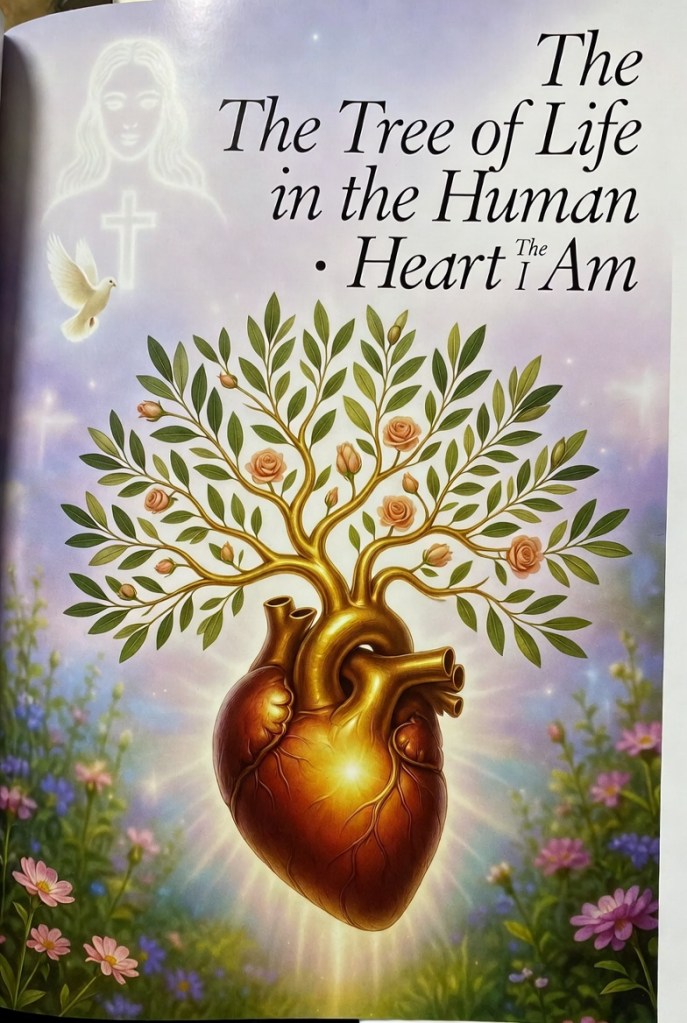
We can see that ancient traditions name at least a dozen candidates as the true Tree of Life. But after considering the many possible revelations concerning the ‘Secrets of the Tree of Life’, we must admit that the ultimate answer may simply lie in the new Garden of Eden in the human heart of each individual. One thing seems obvious after our studies, the Seven Species and the Woods of the Holy Cross definitely point at the gift of Christ to humanity which established a thinking human being whose “I Am” ego consciousness is the ultimate secret of immortality and everlasting life. Perhaps the human “I Am” is the ever-blooming Tree of Life that has its ground in the love of God that enkindles the warmth of the heart which can burgeon into the human being’s higher self in the eternal realms of the spirit. Perhaps now is the time to find our way to New Jerusalem, the new Garden of Paradise, and claim our reward for our faithfulness by drinking the Waters of Life and eating the fruit of the Tree of Life and thereby claim our immortal nature, that is our spiritual inheritance.
Learn more at The Invisible College at Our Spirit.com